Experiences ad knowdledge

If you deal with product development, every experience that leads you to face the new is important. Travel, reading and the continuous acquisition of knowledge are fundamental elements. Traveling has allowed me to explore different cultures and food practices, inspiring me to innovate and adapt new techniques.
Reading, both academic texts and specialized publications, is crucial for me to stay up to date on the latest research and technological developments in the sector. Furthermore, constant learning is essential in my dynamic and rapidly evolving field, where new technologies and approaches can significantly improve the production and sustainability of food products. In summary, these activities enrich my understanding of the sector, promoting innovative and effective solutions for future challenges.
On this page, as in a logbook, I have collected notes and images of my recent experiences

TUTTOFOOD 2026: a useful meeting place to read the market
May, 2026
TUTTOFOOD 2026 confirmed itself as a very useful event for professionals working in the food sector. Many exhibitors, many companies, and a lively atmosphere, with just the right level of “fair confusion” that makes an event truly interesting. For Fenga Food Innovation, it was above all a pleasant and useful opportunity to meet suppliers, current and potential clients, exchange views with colleagues, and take a close look at the food market. More than just a product exhibition, TUTTOFOOD is a real professional meeting place, where trends, commercial signals, and new directions for the sector can be observed. Across the stands, there was a clear focus on quality, service, sustainability, distinctive ingredients, ready-to-eat products, plant-based solutions, organic products, and new consumption formats. For those working in food innovation, being there matters: not only to be present, but to understand how the market is moving and where new opportunities for collaboration may emerge.
Vitafoods Europe 2026: Signals from an increasingly selective nutraceutical market
May, 2026
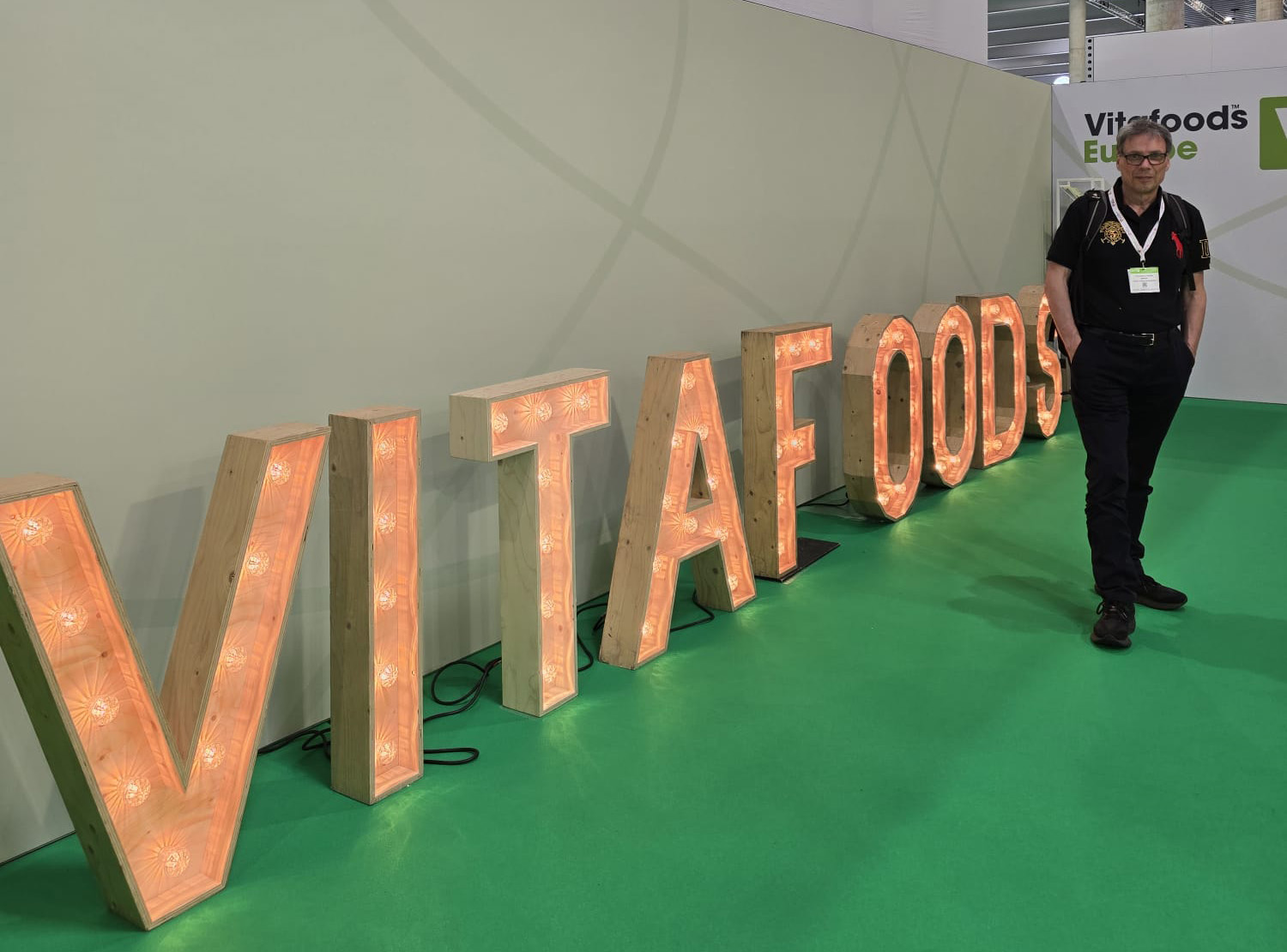
Our visit to Vitafoods Europe 2026 confirmed a clear impression: the nutraceutical sector is now a mature and highly crowded market, where differentiation is no longer based only on the ingredient itself, but on the ability to turn that ingredient into a stable, credible and well-positioned product. Across the exhibition, “evergreen” ingredients were strongly represented: proteins, collagen, omega-3, vitamins, minerals, probiotics, prebiotics, botanicals, plant extracts and adaptogens. In many cases, these were not real novelties, but established categories that continue to form the backbone of the market. The key point is therefore not simply the name of the ingredient, but its technical quality: standardisation, purity, traceability, stability, documentation and the possibility of using it in formulations that are genuinely sustainable from a regulatory perspective. Ready-to-go products, especially bars, were also highly visible. This category has improved significantly: alongside products that are still not very pleasant to eat, there are now much better solutions in terms of texture, taste, coatings, inclusions and management of protein aftertaste. However, bars remain a complex matrix: proteins, fibres, polyols, fats, flavours, vitamins and minerals must remain stable and sensorially acceptable throughout shelf life. Achieving a nutritional target is not enough. Another strong signal was the growth of companies offering complete packages: formulation, prototyping, private label, packaging, testing, regulatory support and positioning. This model is useful because it accelerates development, but it also increases the risk of very similar products reaching the market. Technical customisation therefore becomes essential........
Vitafoods Europe 2026: Signals from an increasingly selective nutraceutical market
May, 2026
....... We also observed sustained interest in botanicals, plant essences and new plant-derived sources. Here, the challenge is to distinguish real novelty from storytelling: each new species or plant fraction must be assessed in terms of safety of use, standardisation, contaminants, stability and possible novel food status. Among the most interesting themes were functional mushrooms, liposomes and biotechnology. Reishi, Cordyceps, Lion’s Mane and other mushrooms are increasingly present, but they require clear specifications and analytical data. Liposomes confirm the growing attention to bioavailability and delivery systems, provided they are supported by technical evidence. Biotechnology — including fermentation, enzymes, probiotics and postbiotics — appears to be the area with the greatest development potential. Overall, our reading is pragmatic: Vitafoods 2026 did not show a revolutionised market, but a more demanding one. The number of offers, claims and formats is increasing, but so is the need for better selection. For product developers, the challenge is to build solutions that are technically sound, sensorially acceptable, regulatory-sustainable and truly distinctive.
Biotech4Food in France: from biotechnology to real food applications
April, 2026
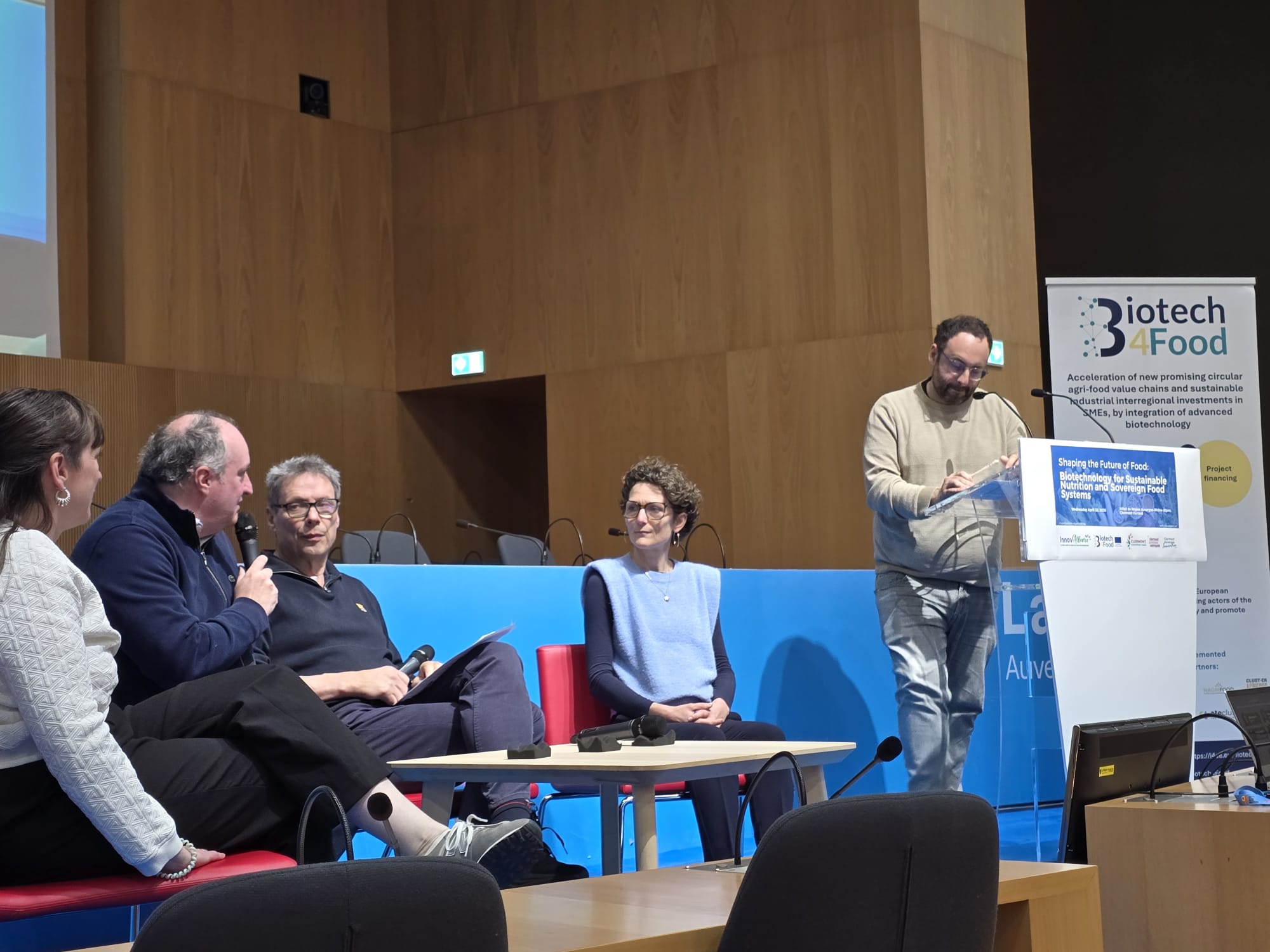
In April, the Biotech4Food project continued its European journey in France, between Lyon and Clermont-Ferrand, with a mission focused on biotechnology, sustainable nutrition and the development of new food ingredients. For Fenga Food Innovation, it was an opportunity to observe how biotech-based solutions are moving from research to concrete food applications, connecting biomass valorisation, alternative proteins, fermentation and circular food systems. In Lyon, the programme included a visit to ISARA Lyon and a culinary innovation workshop with Very Foody. This part of the mission highlighted a key point: innovative ingredients must be evaluated not only for their technical or nutritional potential, but also for their sensory quality, gastronomic use and real applicability in food products. The mission then continued in Clermont-Ferrand, with the symposium “Shaping the Future of Food: Biotechnology for Sustainable Nutrition and Sovereign Food Systems”, hosted at the Conseil régional Auvergne-Rhône-Alpes. The discussion focused on how biotechnology can contribute to more sustainable, resilient and locally connected food systems. The programme also included two relevant study visits. At Université Clermont Auvergne, the delegation visited the Digest-IV facilities, dedicated to the simulation of human and animal digestive environments, an important tool for studying digestibility, nutritional behaviour and ingredient performance. The second visit was to COCONT, a company specialised in fermented and plant-based food alternatives, showing how fermentation can support the development of products closer to market application.

Fi Europe 2025: From Ingredient Trends to Industrial Reality
December, 2025
This year again, Fi Europe in Paris was much more than a simple overview of new ingredients. For Fenga Food Innovation, it was an opportunity to understand how the sector is moving: which technologies are becoming industrial practice, which trends are gaining real traction, and which solutions still need a stronger application model. The most valuable part was the chance to meet potential collaborators. In our work, an ingredient is often only the starting point; the real objective is joint development: defining functional targets, testing applications, generating evidence and translating an idea into an industrially viable solution. Among the areas we followed most closely, enzymes remain particularly interesting for texture control, sugar reduction, process optimisation, stability improvement and sensory correction, especially in products based on plant proteins or new raw materials. We also observed strong attention to integrated ingredient solutions designed to solve real formulation problems: improving nutritional density, supporting fibre and health positioning, simplifying labels, managing raw material variability and maintaining sensory quality. As always, the visit continued outside the exhibition halls, observing supermarkets and specialty stores in Paris to understand which innovations are actually reaching the shelf.
Cibus Tec Forum 2025
October, 2025
Once again this year, Fenga Food Innovation was present at Cibus Tec Forum 2025 in Parma, in the heart of the Italian Food Valley. Once again this year, Fenga Food Innovation was present at Cibus Tec Forum 2025 in Parma, contributing to the discussion on food innovation, biotechnology, sustainability and regulatory transformation. During the session on circular biotechnologies, Fenga Food Innovation shared its perspective on how ESG requirements can become more than a compliance exercise. Transparency is now the minimum requirement, but real competitiveness comes from turning sustainability constraints into concrete technical programmes for ingredients, processes and industrial development. In this context, the Biotech4Food project, within the I4CE – Ingredients for a Circular Economy ecosystem, was presented as an example of European collaborative innovation focused on biotech ingredients, upcycling and new value chains. Fenga Food Innovation also organized a technical deep dive on the operational implications of the EUDR Regulation, with a focus on customs procedures, certifications, legal responsibilities, due diligence, traceability and supply-chain governance. The discussion highlighted a key point: compliance is becoming part of industrial design. Traceability data, geolocation, DDS references, supplier documentation and contractual responsibilities must increasingly be integrated into quality systems, R/D workflows and supply-chain management. Cibus Tec Forum 2025 confirmed a central vision for Fenga Food Innovation: biotechnology, sustainability and data are no longer separate topics. They are part of the same system. The companies able to transform regulatory complexity into structured processes, documented evidence and responsible innovation will be better positioned to build long-term competitive advantage.
In Rennes for the Biotech4Food Technical Mission
August, 2025
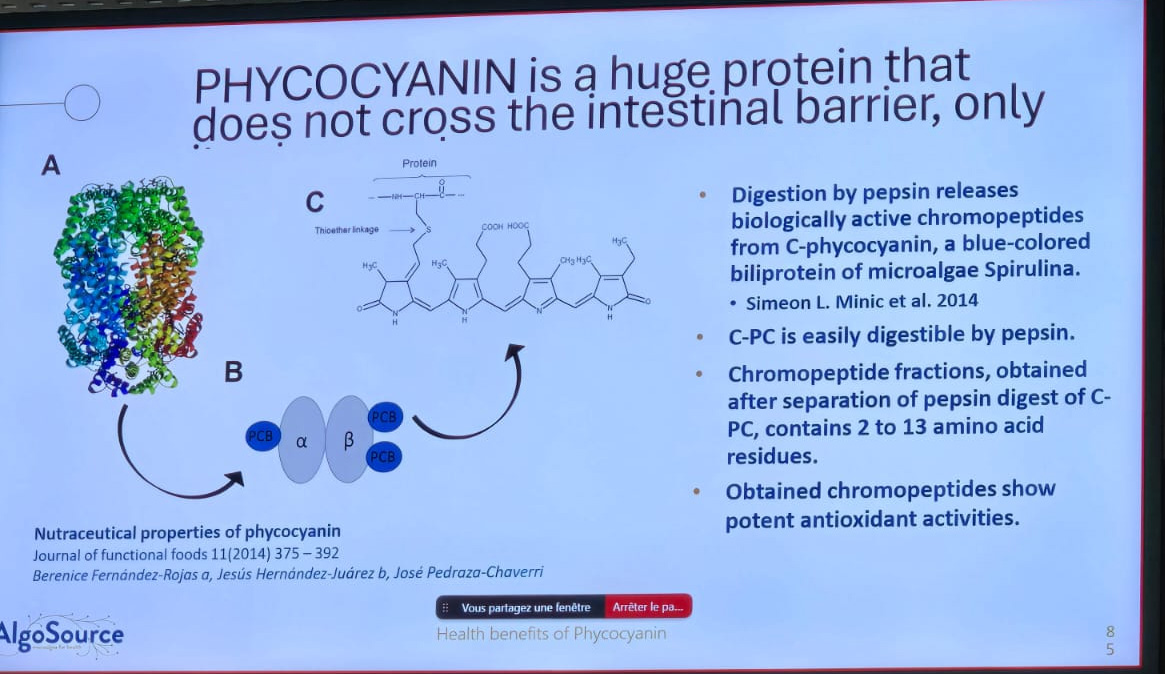
In Rennes, France, I had the opportunity to continue the Biotech4Food journey within I4CE – Ingredients for a Circular Economy, hosted by the Valorial cluster. After the previous stop in Pamplona, focused on food bioeconomy trends and technology transfer, Rennes offered a more operational perspective: how biotechnology can become industrial processes, functional ingredients and supply-chain-ready solutions. The mission focused on key themes such as biomass circularity, protein diversification, side-stream valorisation, safety, quality and scalability. During the visit, Antofénol presented eco-extraction technologies based on hyperfrequency waves, vacuum and mixing systems, showing the potential of solvent-free extraction and the importance of process control. At Seaweed Concept, the focus was on marine biotechnology and the transformation of seaweed into usable ingredients, despite challenges such as seasonality, rapid degradation and raw material variability. The networking meeting hosted by Valorial explored innovation trajectories including microalgae, probiotics and microbial proteins, with a strong emphasis on practical connections between companies, clusters and territories. The mission also included a visit to BCF Life Sciences, active in extracting amino acids from poultry feathers and transforming side streams into high-value ingredients for different markets. From my perspective, Rennes confirmed that food biotechnologies are moving increasingly close to industrial unit operations. Successful scale-up requires not only promising technologies, but also specifications, control plans, traceability, safety assessment and solid technical documentation.
Fenga Food Innovation at the “Insects Innovation in Gastronomy” Conference in Málaga
July, 2025
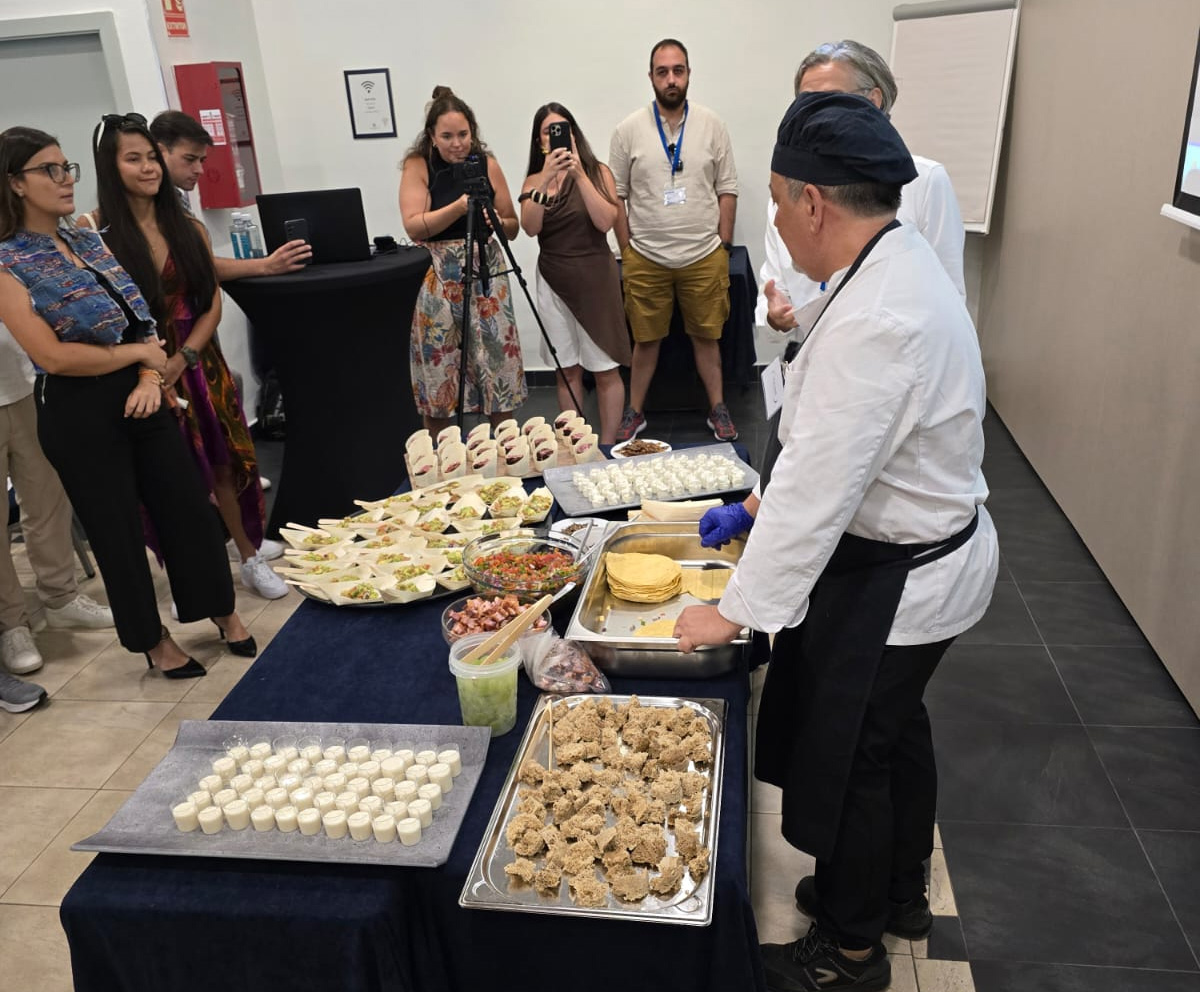
In July 2025, Fenga Food Innovation took part in the international conference “Insects Innovation in Gastronomy”, held in Málaga, Spain, within the framework of the Erasmus+ project of the same name. The event brought together European researchers, educators, chefs and food innovators to discuss the potential role of insect-based ingredients in the development of more sustainable, diversified and resilient food systems. During the conference, several technological, nutritional, environmental and cultural aspects were addressed, with particular attention to gastronomic applications, consumer perception and the training of hospitality professionals. A particularly significant moment was represented by the tasting sessions and culinary demonstrations, which showed how insect flours and insect-derived ingredients can be integrated into familiar preparations, from snacks to baked goods, while maintaining texture, flavour and product recognisability. The conference also provided the opportunity to present some of the results of the Insects Innovation in Gastronomy project, including educational materials, digital learning tools and research on consumer perception. These resources are designed to support culinary schools, hospitality professionals and food innovators in exploring new protein sources through a scientifically informed and culturally sensitive approach. For Fenga Food Innovation, participating in the conference represented an important opportunity to engage in the debate on the future of alternative proteins and on the role of food technology in connecting innovation, gastronomy, sustainability and communication.

Launch of a pioneering free resource from the European IIG project on attitudes toward insect consumption
June, 2025
The Erasmus+ project "Insects Innovation in Gastronomy (IIG)", co-funded by the European Union, announces the free public launch of the report "Social Psychological Research for Measuring Attitudes, Beliefs, and Perceptions on Insect Consumption." This resource, available on the official project portal https://gastroinnovation.eu/en/intellectual-outputs/, provides in-depth, scientific insight into how European society perceives the consumption of insects as a sustainable protein alternative.The full report can be downloaded free of charge from the project's official website: Https://gastroinnovation.eu

Cluster-ER Agrifood's mid-year meeting: participation, discussion, and new opportunities
June 12, 2025
Our mid-year Members' Meeting was held yesterday in Bologna: an important opportunity for meeting and discussion, during which the 2024 final financial statement, the 2025 budgeted financial statement, some changes to the Value Chain regulations, and the Agrifood Clust-ER membership admission procedures were approved.
It was a day filled with inspiration and participation, with a dedicated space for member contributions—including proposals, project ideas, and new networking opportunities.
Here are some of the calls presented:
- Bando EU PRIMA MED;
- Bando HORIZON CLUSTER 6;
- FSTP - Progetto europeo I3-4-BIOFERTILIZERS

Macfrut Fiera
May 2025
Oggi 6 maggio primo giorno di Macfrut Fiera; il gruppo di lavoro Agrifood Clust-ER del progetto Biotech4Food ha condotto un incontro dal tema: Biotecnologie per l'alimentazione umana, la leva intersettoriale”, tra i partecipanti vi erano anche molti studenti dell ITS Tech&Food. Durante l'incontro sono stati condivisi i risultati dell'indagine fatta, nell'ambito del progetto, a livello Europeo sullo stato dell'arte del settore delle biotecnologie in ambito alimentare. Inoltre è stata illustrata le interconnessioni tra i vari Cluster regionali ed europei che verrà concretizzata di nuovo a giugno con una visita al Bio Base Europe Pilot Plant di Ghent.

Waste4Soil Project
May, 2025
The annual stakeholder meeting of the LivingLab Emilia-Romagna was held at the headquarters of project partner GESCO, Cesena, 🇮🇹, on 20 May!
The event served as a dynamic platform for dialogue and co-creation, bringing together representatives from research, business, and agriculture to explore sustainable strategies for improving soil fertility and reducing reliance on chemical fertilizers, fully aligned with the objectives of the Waste4Soil Project.
With the participation of the partners Università degli Studi di Parma, Confagricoltura, and Legacoop agroalimentare. The meeting:
- Reviewed the progress made to date
- Collected valuable feedback from stakeholders
- Outlined the upcoming steps for the Italian Living Lab
Alternative 2025: A Key Step Toward the Future of Alternative Proteins
February 25, 2025
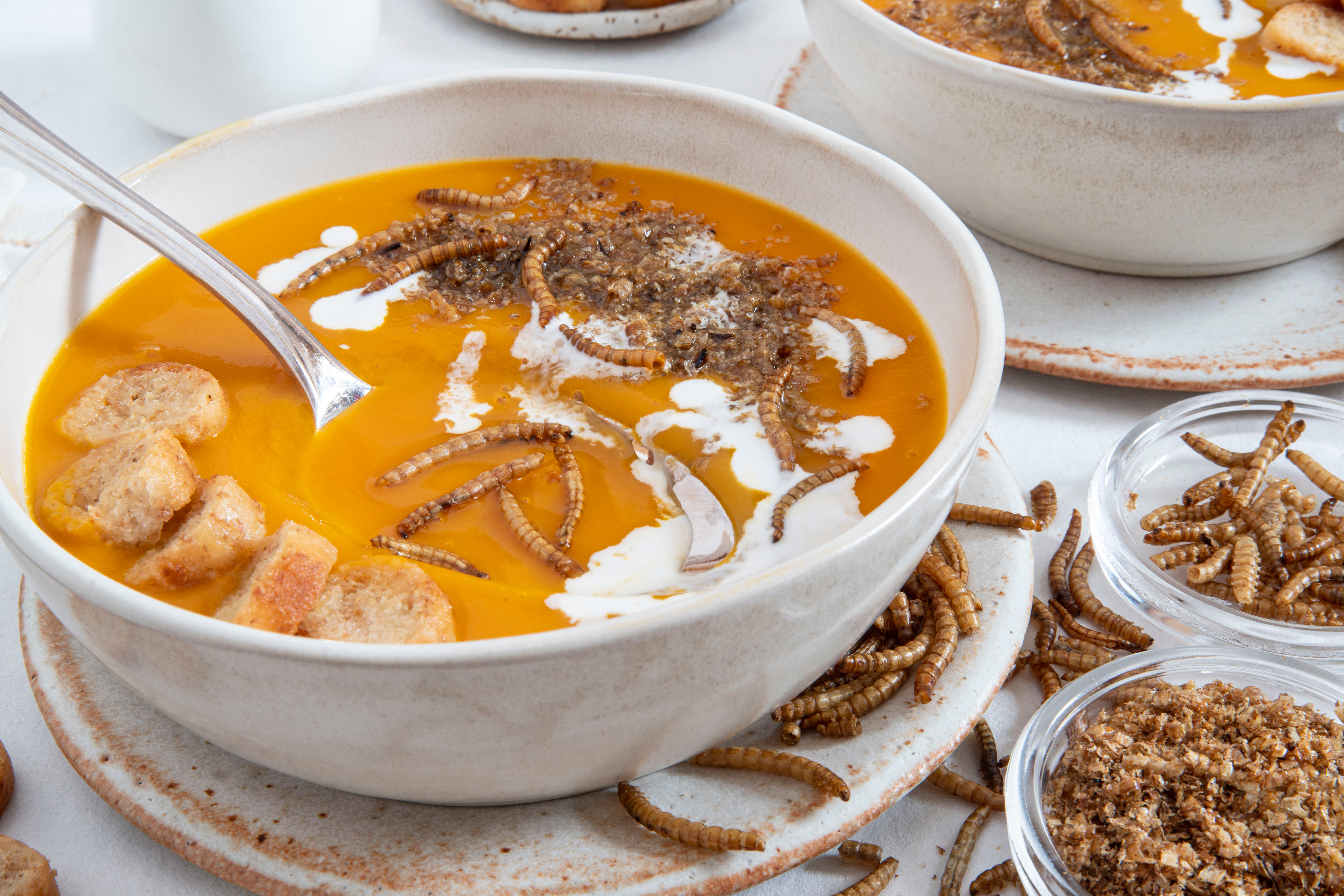
Fenga Food Innovation participated in Alternative Proteins:Innovations, Challenges, and Opportunities, an event held at the University of Milano-Bicocca. The conference brought together experts from the agri-food and biotech industries, researchers, institutions, and entrepreneurs to discuss the future of alternative proteins, focusing on sustainability, scientific innovation, and market opportunities. The event highlighted the growing role of plant-based, cultivated, and precision-fermented proteins in addressing global food, environmental, and economic challenges. Discussions underscored how alternative protein sources can significantly reduce greenhouse gas emissions, land use, and water consumption, reinforcing their potential for a more sustainable and resilient food system. Italy is emerging as a key player in this transition, with the plant-based market projected to reach €746 million in 2024, growing at 5% annually. Research institutions and universities are driving technological advancements, making Italy a leader in alternative protein development.
Insects in Gastronomy: A Look Back at Our Workshop in Cyprus
February 2025
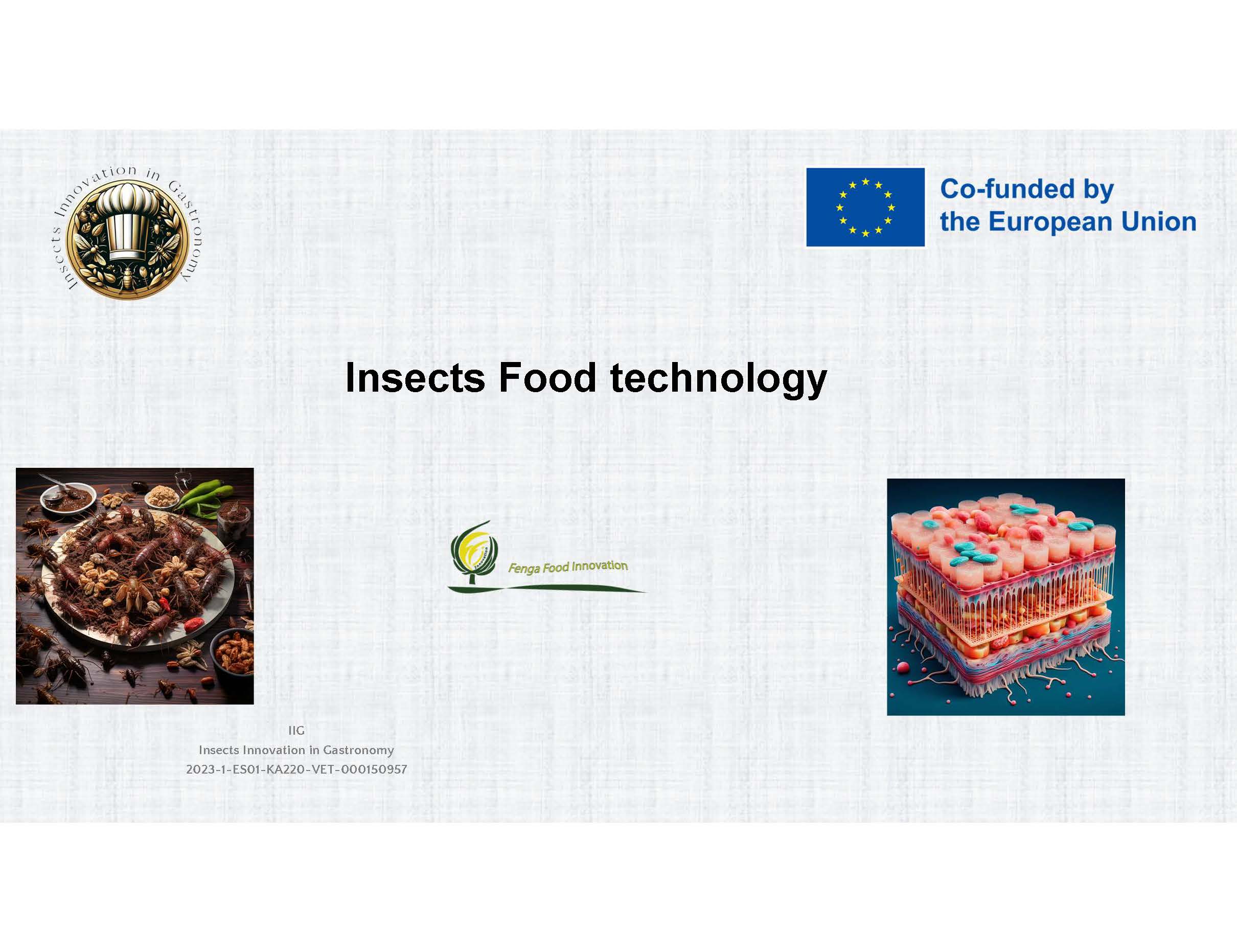
As part of the Erasmus+ Insects Innovation in Gastronomy project, Fenga Food Innovation organized a workshop in Cyprus, exploring the potential of insect-based ingredients as sustainable and nutritionally rich alternatives to traditional protein sources. The session highlighted the nutritional benefits, regulatory aspects, and culinary potential of insect flours derived from species such as mealworms, crickets, locusts, and lesser mealworms, which have received EU approval for human consumption. Experts discussed processing techniques, from blanching and dehydration to milling and fermentation, which enhance the functional, sensory, and nutritional properties of these innovative ingredients. Participants explored flavor profiles of different edible insects and their applications in food innovation. Discussions also addressed challenges in scaling up production, regulatory compliance, and consumer acceptance. This workshop reinforced the importance of knowledge exchange and research in alternative proteins, opening new perspectives for sustainable food innovation in Europe.
Exploring Sustainable Aquaculture: Fenga Food Innovation's Visit to Finittica
January, 2025
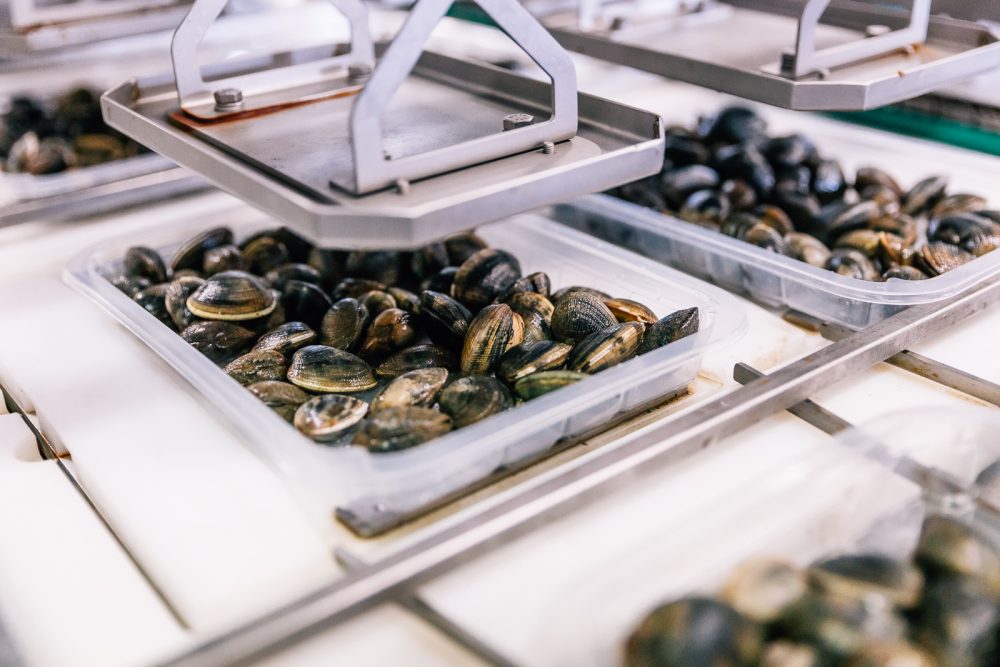
As part of the knowledge exchange activities within the I3-4-Blue-Growth project, Fenga Food Innovation had the opportunity to visit Finittica, a leading company in the processing and commercialization of live bivalve mollusks. Established through the dedication of professionals in the bivalve mollusk sector, Finittica has become one of Italy's foremost companies in this field. Located in Goro, Finittica operates a recently renovated facility spanning over 1,000 square meters, equipped with modern machinery and an advanced closed-circuit purification system capable of processing over 20,000 kg of product per cycle. Their product range includes veracious clams, mussels, oysters, and other mollusks, all meticulously selected and controlled to ensure high quality.
This visit provided valuable insights into Finittica's commitment to quality, safety, and continuous research, aligning with the goals of the I3-4-Blue-Growth project to promote sustainable practices within the blue economy sector
Clust-ER Agrifood's Mission to Navarra: Fostering European Collaboration in Agri-Food Biotechnology
November 19 and 20, 2024
Clust-ER Agrifood, in collaboration with European partners from the Biotech4Food (B4F) project, organized a two-day mission to Navarra, Spain, aimed at strengthening ties between biotechnology and the agri-food industry. Fenga Food Innovation also took part in this initiative, exploring opportunities for collaboration and innovation in the sector. The mission commenced with participation in the AseBio Green Innovation Forum 2024 in Pamplona. This fifth edition emphasized biotechnology's pivotal role in transitioning to a sustainable, carbon-neutral economy. The forum attracted nearly 300 professionals from over 120 companies across eight countries, facilitating discussions on innovative solutions to environmental challenges . On November 20, attendees engaged in targeted visits organized by Navarra partners, Food+i and CNTA (Spanish Centre for Food Technology and Safety). The itinerary included: CEIN: The European Center for Business and Innovation, focusing on biotechnology startups. Ingredalia: A small to medium-sized enterprise specializing in designing natural ingredients. CNTA: The National Centre for Food Technology and Safety, providing technological support to the food industry. This mission underscored Clust-ER Agrifood’s and Fenga Food Innovation’s commitment to fostering European collaboration, promoting innovation, and exploring sustainable practices within the agri-food biotechnology sector.
FoodRevolution 2024: Innovation and Sustainability for the Future of Food
October 21 to 23, 2024
FoodRevolution 2024 took place in Parma, under the patronage of the University of Parma. The conference focused on a holistic approach to a sustainable, safe, and healthy food future, highlighting the role of innovation, biotechnology, digital tools, and artificial intelligence in transforming the agri-food sector in line with the One Health approach. Each session was introduced by academic experts and consultants, outlining the necessary changes for the industry. On October 21, the Division of Sustainable Agri-Food Systems participated in the plenary session Towards a sustainable, safe, and healthy food future, with Dr. Annamaria Bevivino presenting on the role of microbiomes and biofertilizers in agricultural sustainability. Organized by Bastiaanse Communication and Affidia, the event featured discussions on innovation, food safety, and regulatory challenges, with case studies and practical solutions for the future of the industry. Fenga Food Innovation also participated as a sponsor, supporting the dialogue on a more responsible and innovative food sector.
Exploring New Horizons, and "30 by 30": The Clust-ER Agroalimentare Mission to Singapore
October 2024
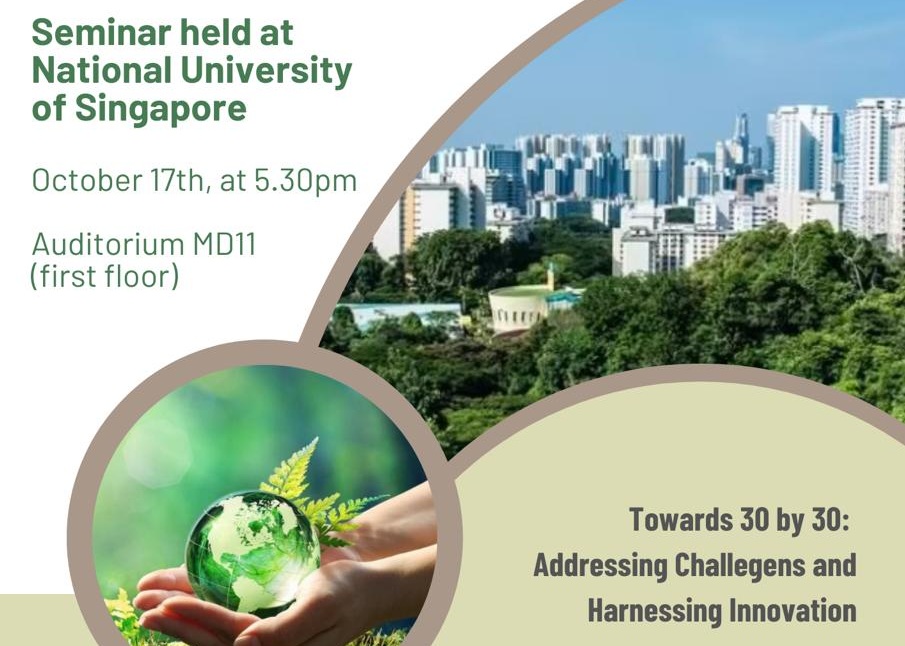
Fenga Food Innovation, along with other members of the Clust-ER Agroalimentare Emilia-Romagna, took part in the "30 by 30" event in Singapore. The mission aimed to explore collaboration opportunities and gain insights into new markets. The Clust-ER Agroalimentare is a network of public and private organizations that share expertise and resources to enhance the competitiveness of the regional agri-food sector (agrifood.clust-er.it). Singapore's "30 by 30" initiative seeks to locally produce 30% of the city-state's food needs by 2030, reducing its reliance on imports (sfa.gov.sg). This mission provided participants with valuable exposure to a rapidly evolving market investing in vertical farming, alternative proteins, and advanced agricultural technologies. A strategic experience to better understand global challenges and foster new synergies in the agri-food sector.
Food, Environment & Healthy Lifestyles at the G7 Agriculture Summit
September, 2024
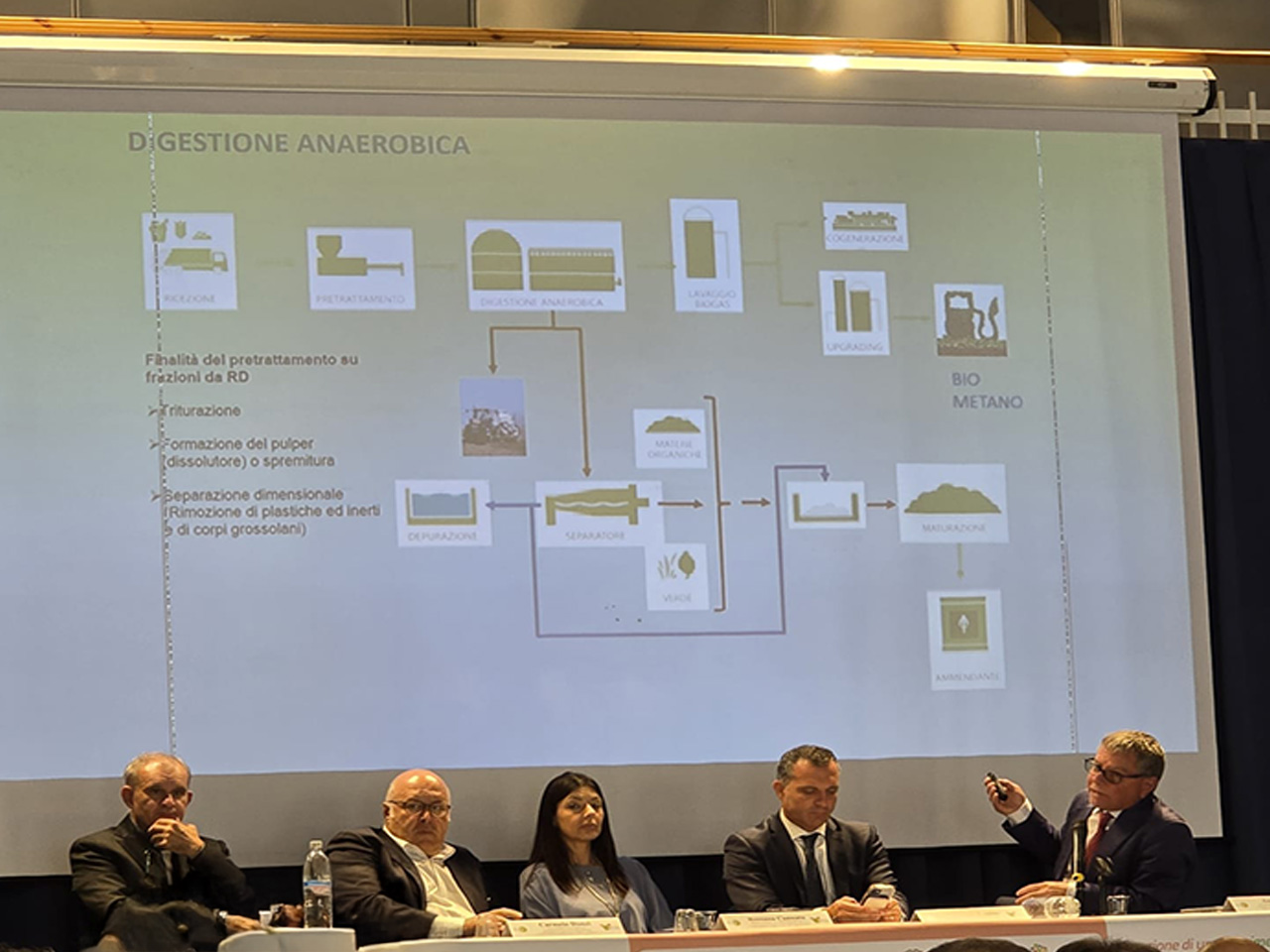
In September, during the G7 Agriculture Summit in Syracuse, I had the honor of participating as President of the Order of Food Technologists of Emilia-Romagna, Tuscany, Marche, and Umbria in an insightful seminar: "Food Education, Environment, and Healthy Lifestyles in the G7 and the African Continent." The discussion highlighted the critical role of food education in shaping sustainable diets and improving health worldwide. Experts shared strategies to bridge the gap between nutrition, environmental sustainability, and global food security. It was an enriching experience, reinforcing the importance of international collaboration in fostering a healthier, more sustainable future.
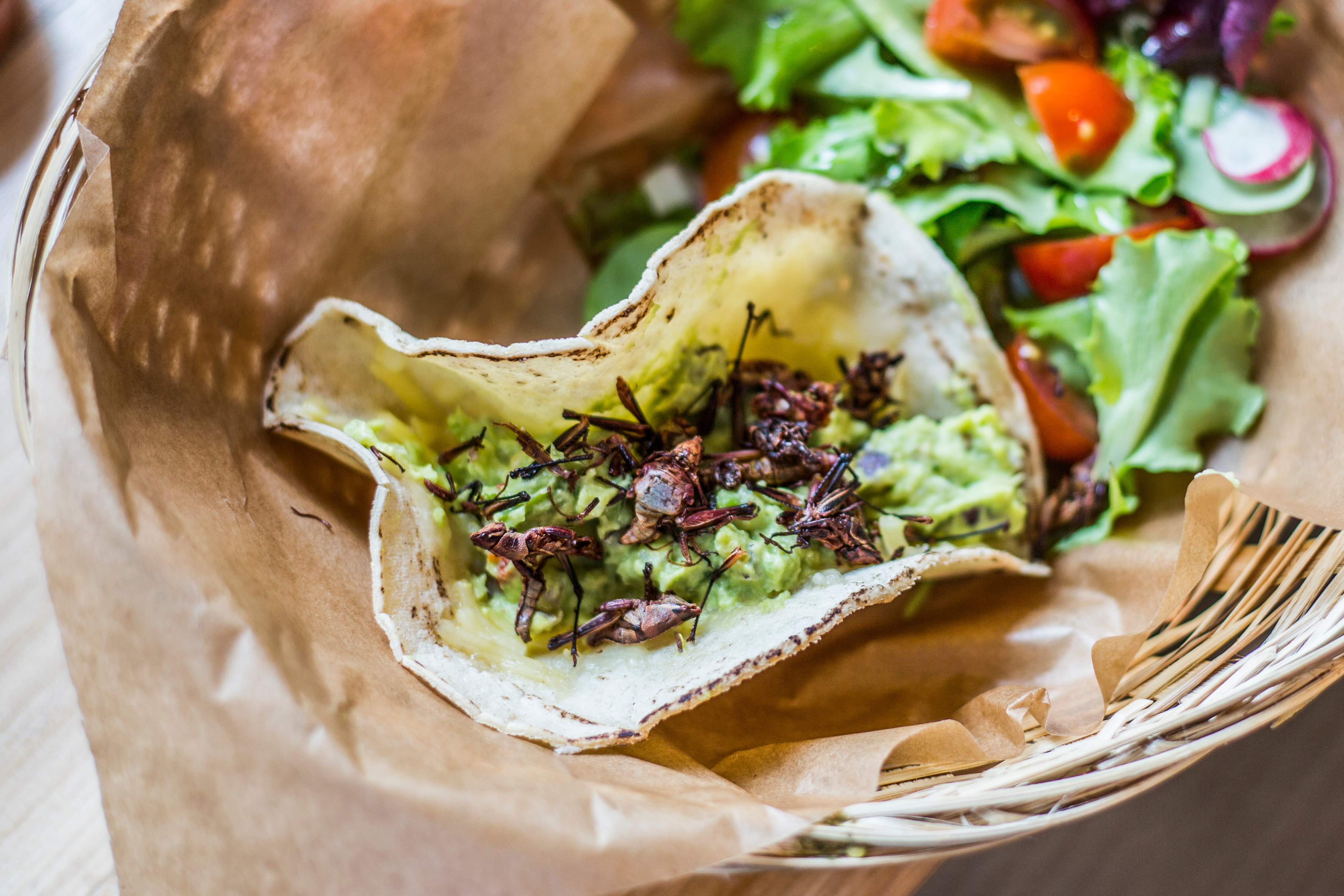
Now Live: The Insects Innovation in Gastronomy Project Website!
July, 2024
The Erasmus+ project we've been talking about is now online! Explore how we're transforming European cuisine with sustainable, nutritious insect-based foods. Discover resources, insights, and training opportunities for chefs and food enthusiasts. Our mission is to promote insects as a viable food source by highlighting their nutritional and environmental benefits. Through education and hands-on culinary training, we aim to make insect-based cuisine more accessible and widely accepted across the EU. 🍽 Ready to explore the future of food? 👉 Visit the website now: [https://gastroinnovation.eu/]
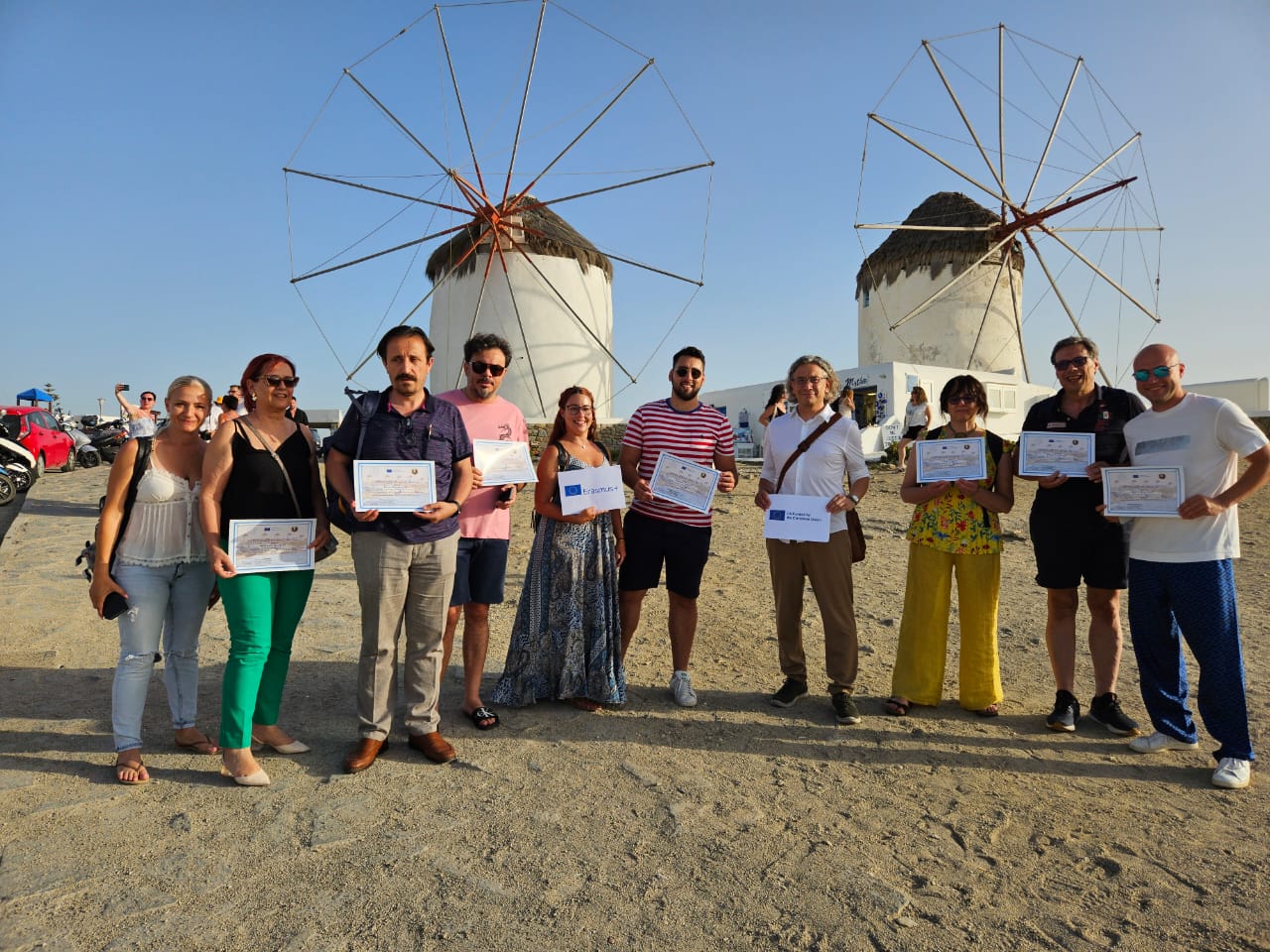
In Mykonos for an Erasmus+ project on insect-based nutrition
June 4th to 5th, 2024
In the beautiful setting of Mykonos, we had our first in-person meeting with the partners to review the situation and organize the next steps of the "Insects innovation in gastronomy"" project (under Ka220, Cooperation partnerships in VET).
Where will this journey into the world of insects take us?
Stay tuned to find out!
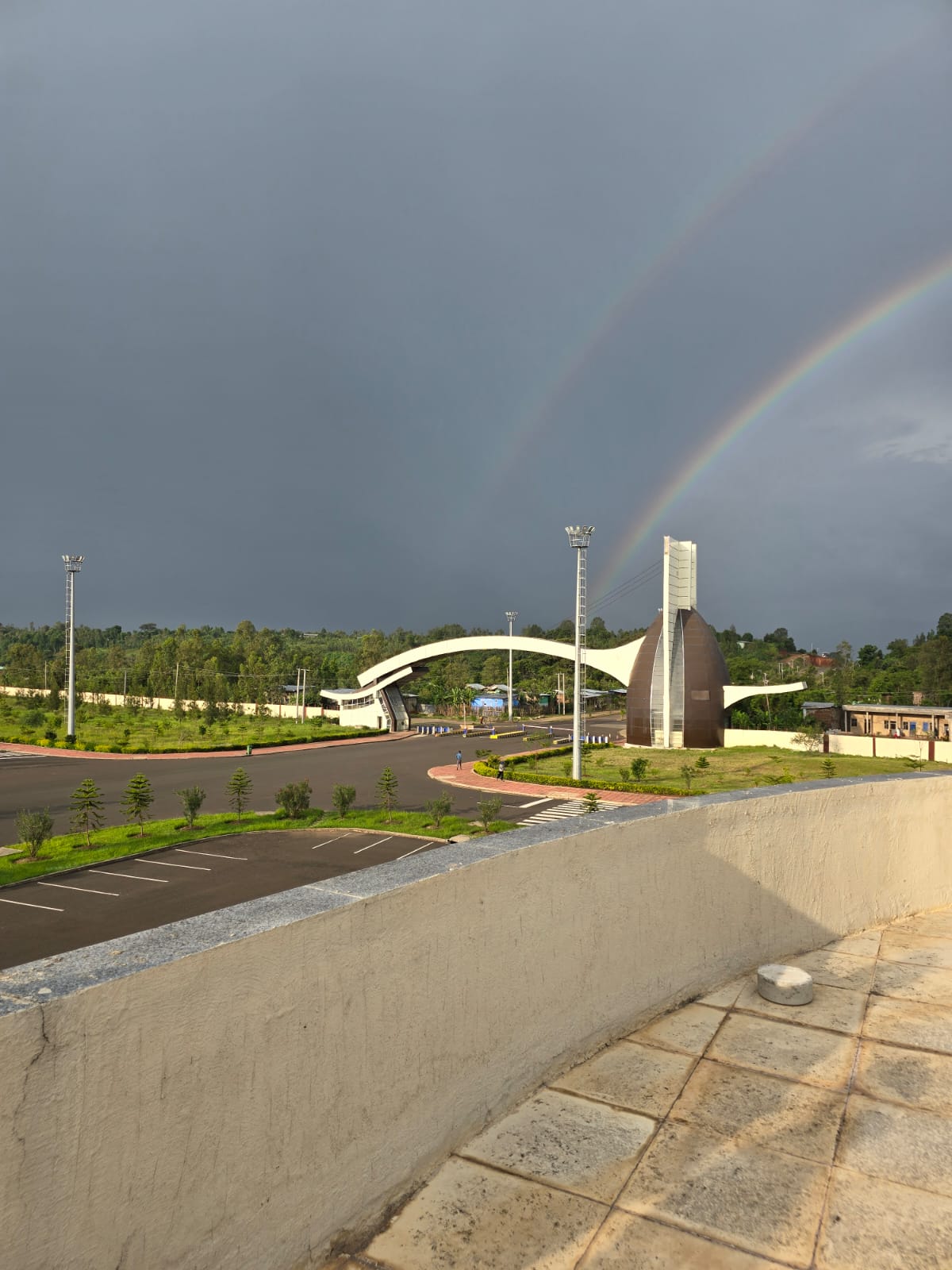
"Unlocking Potential: Developing Ethiopia's Agri-Food Industry for Sustainable Growth
May 20th to 22th, 2024
Journey to Ethiopia for the UNIDO Project "Operationalization and Sustainability of Integrated Agro-Industrial Parks in Ethiopia," to collect data in order to provide technical assistance in developing systems for food safety, quality, and traceability.
Cibus Parma
May 7th to 10th, 2024
Attending Cibus 2024 in Parma was an enriching experience, even for seasoned professionals. Highlights included discussions on food safety, supply chain resilience, and technological advancements. The focus on eco-friendly packaging and plant-based alternatives aligned with current industry trends. This year’s Cibus provided critical insights and networking opportunities essential for advancing innovative and sustainable food products
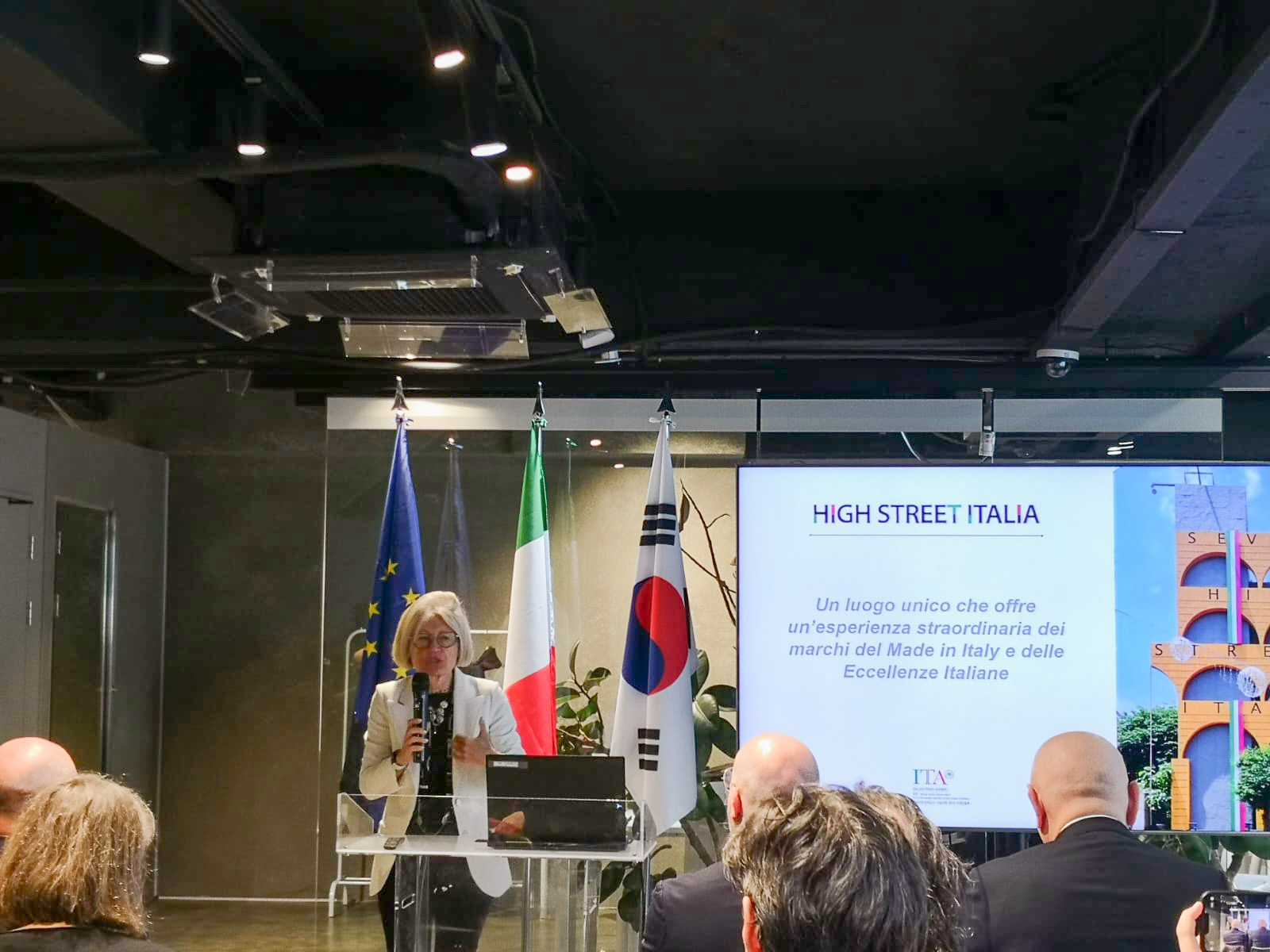
Expanding Horizons: Mission to South Korea
March 23th to 28th, 2024
Mission to Seoul with the Clust-er Agri-food and the delegation from the Emilia Romagna Region, led by President Bonaccini, to broaden our horizons and seek alliances for the commercial, social, and scientific development of our territory.
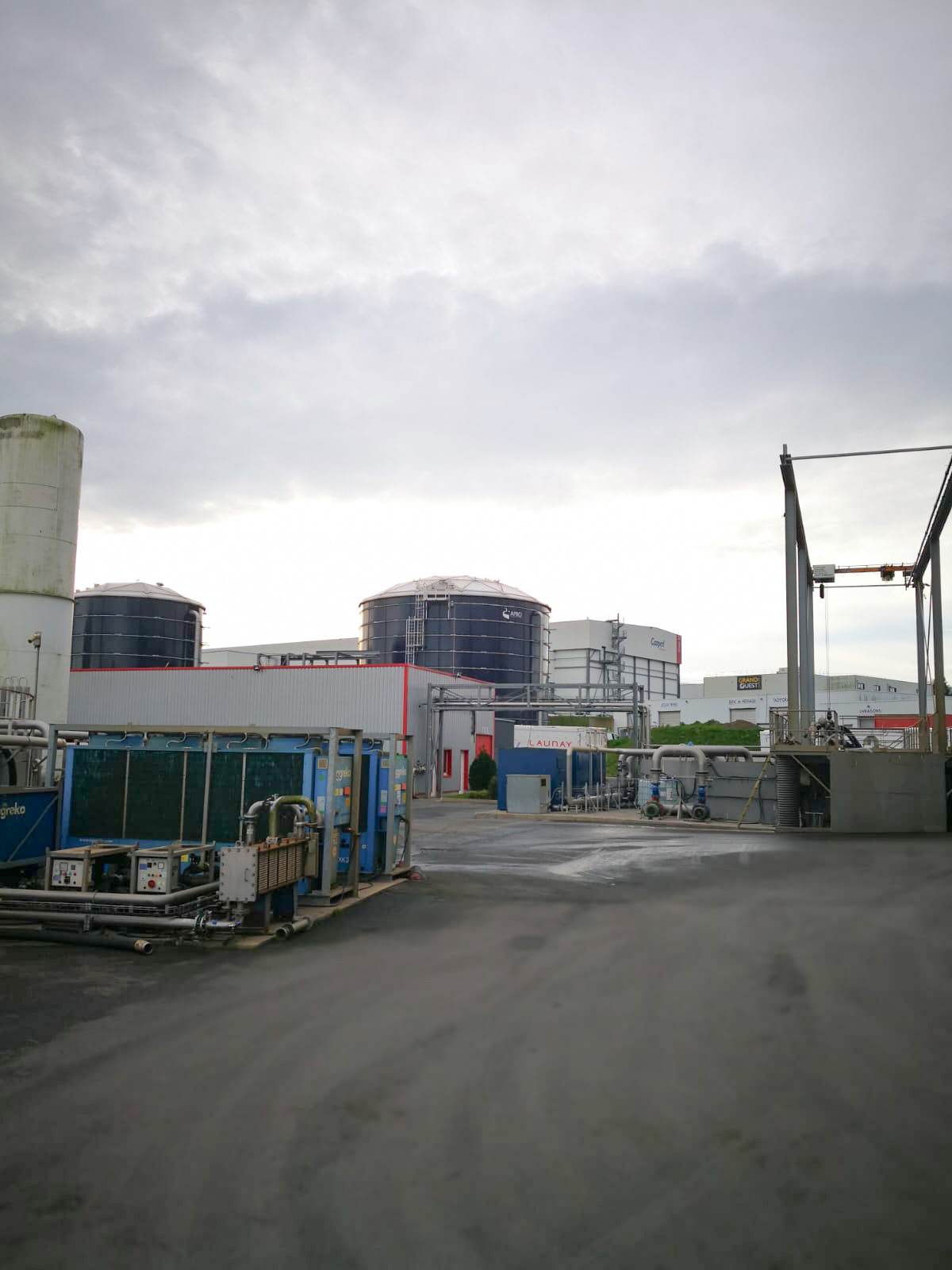
Drop Regional Mission - Nouvelle Aquitaine & Bretagne
February 13th to 15th, 2024
In "Drop, 4 regions - Emilia Romagna (Italy), Nouvelle Aquitaine & Bretagne (France) and Murcia (Spain)- share their challenges and good practice to optimise the use of water in agrifood processes.
During this missio, representatives of the partner regions had the change to visit companies in the Great West of France that showcased their approaches to more virtuous water usages.

Sigep - Rimini
Genuary 24th , 2024
Attending SIGEP 2024 in Rimini offered a comprehensive view of the latest developments in gelato and pastry. The event, featuring over 1,200 exhibitors from 35 countries, highlighted significant trends in sustainable practices and technological advancements. SIGEP continues to be an essential platform for professionals looking to stay informed about the latest industry standards and practices.
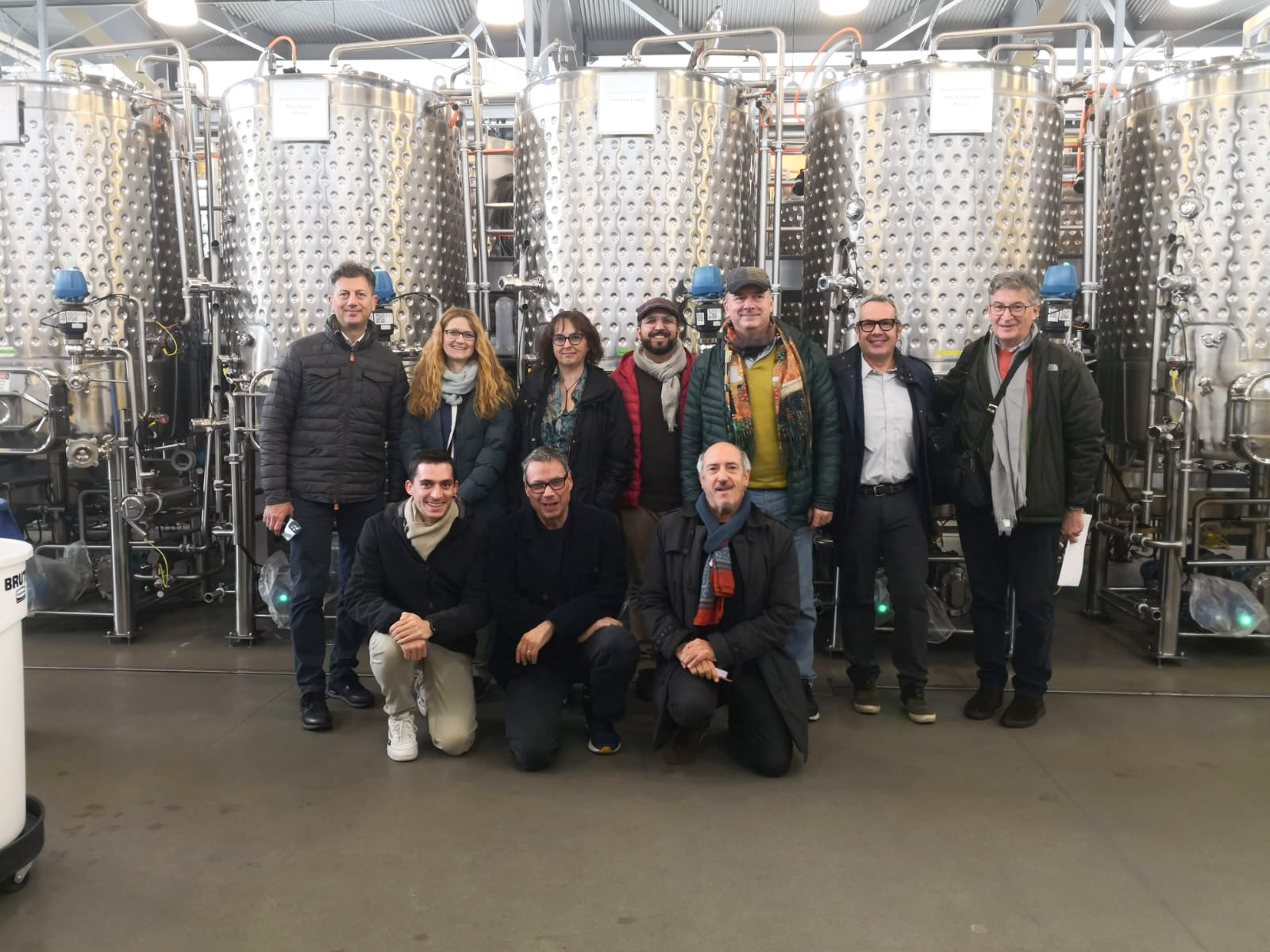
Silicon Valley Mission
December 4th to 10th , 2023
The Agri-Food Cluster of Emilia Romagna embarks on a mission to Silicon Valley, seeking innovative insights for future applications and sustainable agriculture solutions. Over the course of five intensive days, the delegation will engage in a series of meetings, events, and networking opportunities, including a special reception by Consul Sergio Strozzi.
Con l'Ordine dei Tecnologi alimentari a Cibus Tec
October 24th to 27th, 2023
Attending Cibus Tec as an experienced food technologist highlighted the importance of professional relationships and knowledge exchange. This event facilitated meaningful interactions among producers, end-users, and academic representatives, fostering a collaborative environment. Engaging in discussions with industry leaders and peers allowed for the exchange of advanced methodologies and innovative solutions. The opportunity to network with diverse stakeholders was invaluable, promoting the integration of cutting-edge technologies and sustainable practices. .